
Posted on June 25, 2026 by Ender Finol and Maria Bolanos Moreno
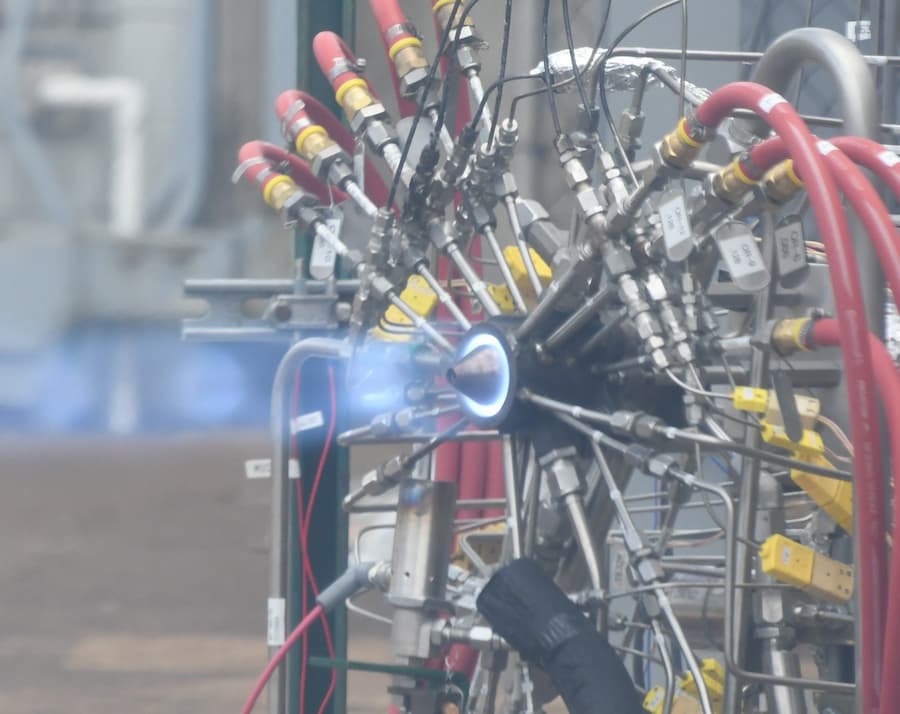
Metal 3D-printed rotating detonation engine, designed by MAIE GRA Joseph Hernandez-McCloskey and printed and tested at NASA Marshall Space Flight Center.
Dr. Daniel I. Pineda’s research focuses on the development and application of optical diagnostics to chemically reacting flows, with particular emphasis on rocket propulsion and aircraft combustion devices, energy conversion systems, as well as human and environmental health impacts. His research program touches all these areas and integrates laser absorption spectroscopy, optomechanical design, additive manufacturing, and chemistry to address grand challenges in aerospace engineering. This past year, his team of graduate and undergraduate students is engaged in multiple projects, including additively-manufactured rotating detonation rocket engine development in collaboration with both NASA and AFRL researchers, the application of hollow core optical fiber technology to chemical processes both on Earth and on the Moon and Mars, and the measurement of toxic gases in compartment fires to help develop portable sensors for firefighters.
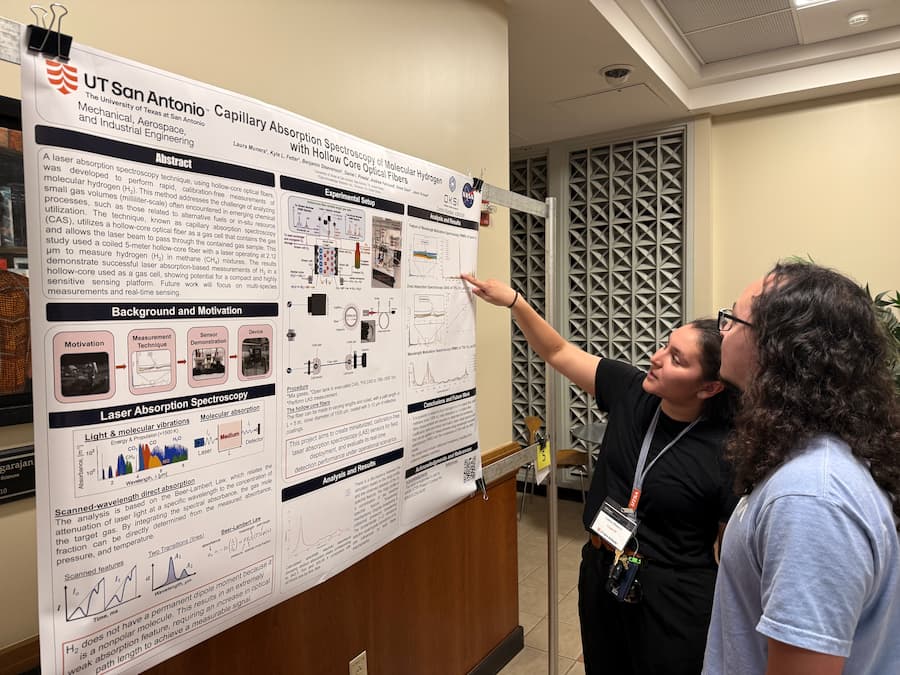
Technology Student Poster Day hosted by The Center for Space Technology and
Operation Research.
A pair of projects in Pineda’s research program—one sponsored by NASA and the other by the Air Force Research Laboratory—involve using additive manufacturing to develop thermal management strategies for next-generation rotating detonation engines, to both keep hardware from melting in the extreme environments of detonation engines as well as enable optical access to better characterize the performance of these engines with laser diagnostic techniques. The effort spans fundamental characterization of 3D-printed material properties to hot-fire testing a full-scale 3D printed engine both at UT San Antonio and AFRL Wright Patterson Air Force Base. Much of the project progress achieved over 2024 and 2025 by MAIE graduate students Melaney Nickell, Joseph Hernandez-McCloskey, Seth Reutlinger, Kevin Eisenbarger, and Krystal Corral Martinez was presented this past year at AIAA’s AVIATION 2025 Forum in Las Vegas, NV, AIAA SciTech 2026 Forum in Orlando, FL, and the 2026 JANNAF Interagency Propulsion Committee Meeting in Spokane, WA.
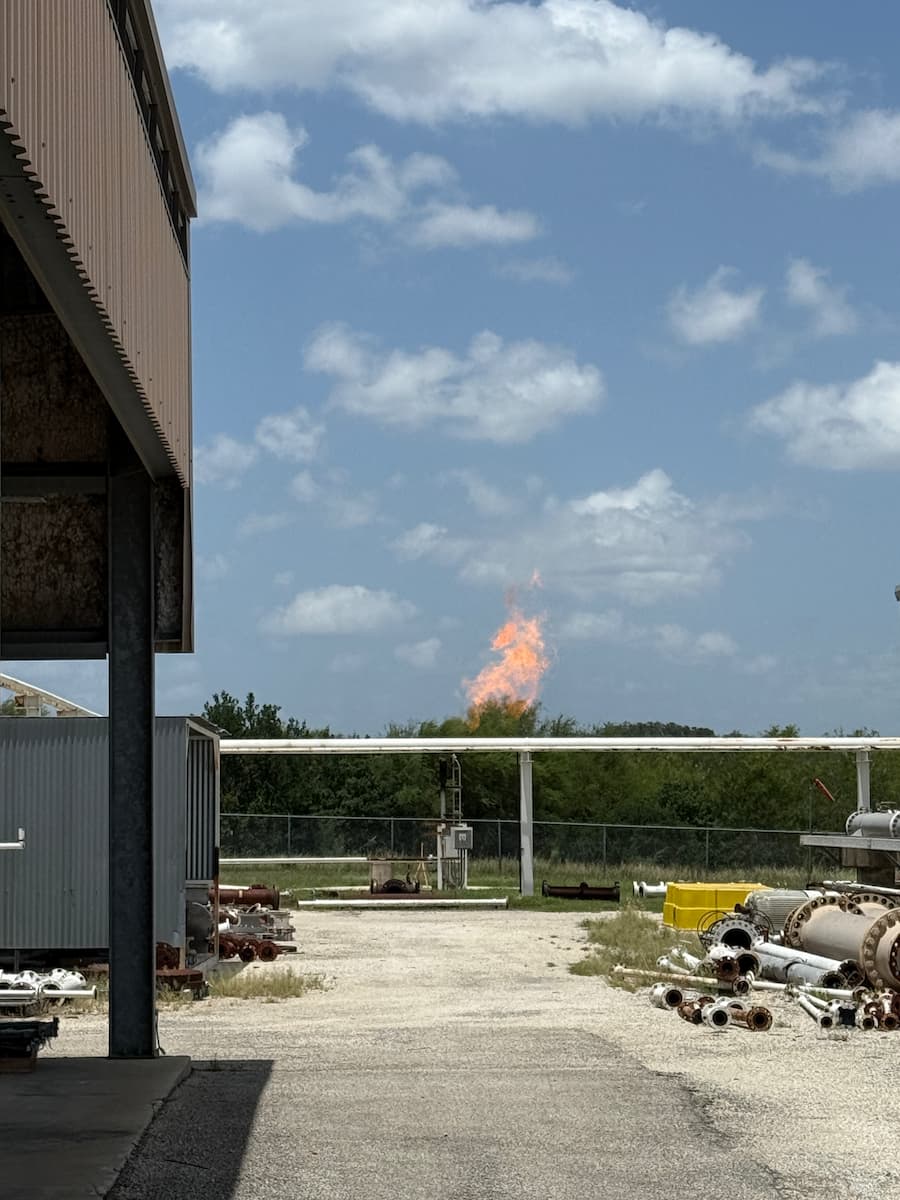
Another group of projects in Pineda’s research program, funded by NASA STTR/SBIR subcontracts, Southwest Research Institute, and the Federal Emergency Management Agency, involve using absorption spectroscopy technologies to measure flammable and toxic gases produced by chemical processes or compartment fires. Researchers on these projects perform measurements in custom-engineered optical gas cells and hollow core optical fibers to provide sensitive, real-time assessment of gas composition in the laboratory and in the field. One of Pineda’s NASA STTR projects funded by Opto Knowledge Systems, Inc. is a collaboration with the Energy Electrochemistry and Electrochemical Engineering Enterprise (e5) Laboratory, led by Dr. Shrihari Sankarasubramanian in KCEID’s Biomedical and Chemical Engineering department; the goals of this project include using laser absorption spectroscopy with hollow core optical fibers to assess the performance of emerging catalytic electrolyzer technologies that may someday produce propellant and oxygen on the Moon and Mars, supporting human space exploration. A related effort using the same technology—funded by the Department of Energy’s ENERGYWERX program—saw the deployment and operation an industry collaborator sensor prototype at SwRI’s Natural Gas Metering Research Facility (MRF) in Fall 2025 for hydrogen/natural gas blending applications. Much of the results in these projects achieved over the last year by MAIE graduate students Laura Munera Sanchez, Melaney Nickell, Roslyn Romero, Aubrey Fuchs, Benjamin Steavenson, and Kyle Fetter (now graduated) have been presented at AIAA’s SciTech 2026 Forum in Orlando, FL and published in Elsevier’s Fire Safety Journal.
— Ender Finol and Maria Bolanos Moreno
This article was written by Ender Finol and Maria Bolanos Moreno
