
Posted on September 2, 2026 by Sean M. Wood
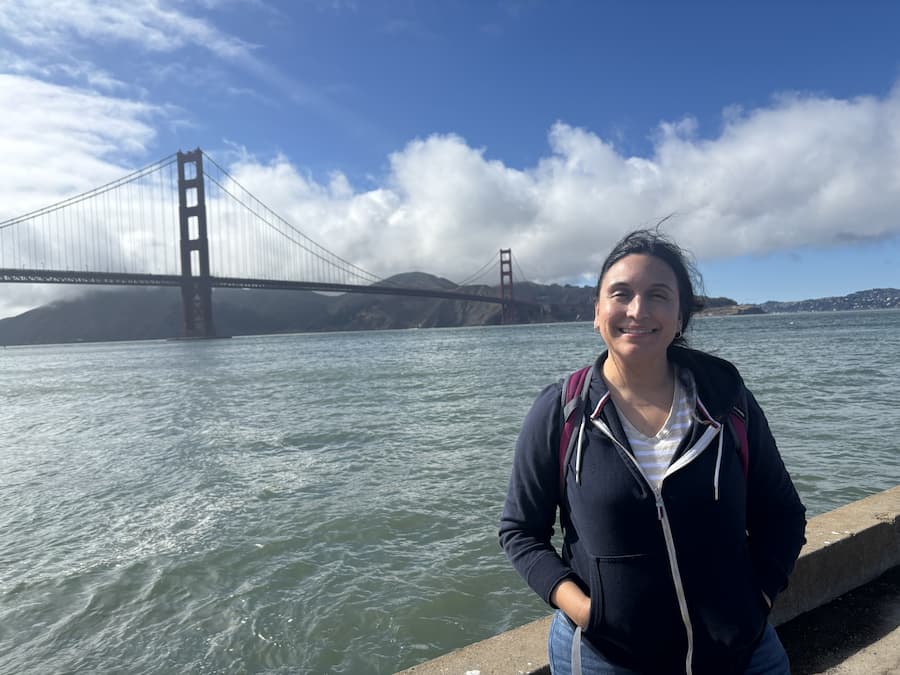
Zenia Hernandez in front of the Golden Gate Bridge
Transportation engineer Zenia Hernandez earned her professional engineer (P.E.) license before many of her first-year Klesse College students were born. She has worked in transportation for more than 15 years, working with engineers, construction leaders, and architects to support projects in Texas. Hernandez has also taught engineering and architecture at the collegiate and high school levels, making her an excellent resource for the 1000+ incoming students to the Klesse College of Engineering and Integrated Design navigating their first-year projects.
“She has experience working with hands-on projects that require collaboration across disciplines,” Klesse College Dean Eric Brey said. “She also has a commitment to education. Her combination of engineering experience and commitment to education is aligned with our goals of preparing industry-ready graduates starting from their first year in Klesse.”
Hernandez will teach the spring semester projects based course for all Klesse first year students. Brey is currently teaching the first part of this course this fall. The class introduces incoming students to engineering design at Klesse through collaborative, hands-on projects using emerging technologies. Engineering for the public is what Hernandez has been doing most of her career.
“Throughout my professional life as a transportation engineer, I learned that every project creates value for the people it serves,” Hernandez said. “I want students to leave the classroom believing that they are capable of creating meaningful solutions that improve the world.”
She managed many bridge and highway projects for the Federal Highway Administration (FHWA). Projects in her hometown of El Paso included Spur 601 on the city's north side and Border Highway West.
“Working on those projects helped me develop an appreciation for how much every hand contributes to those projects, whether that’s the lead designer, the environmental expert, the planner or the construction worker,” Hernandez said. “They are all critical to making the project a reality.”
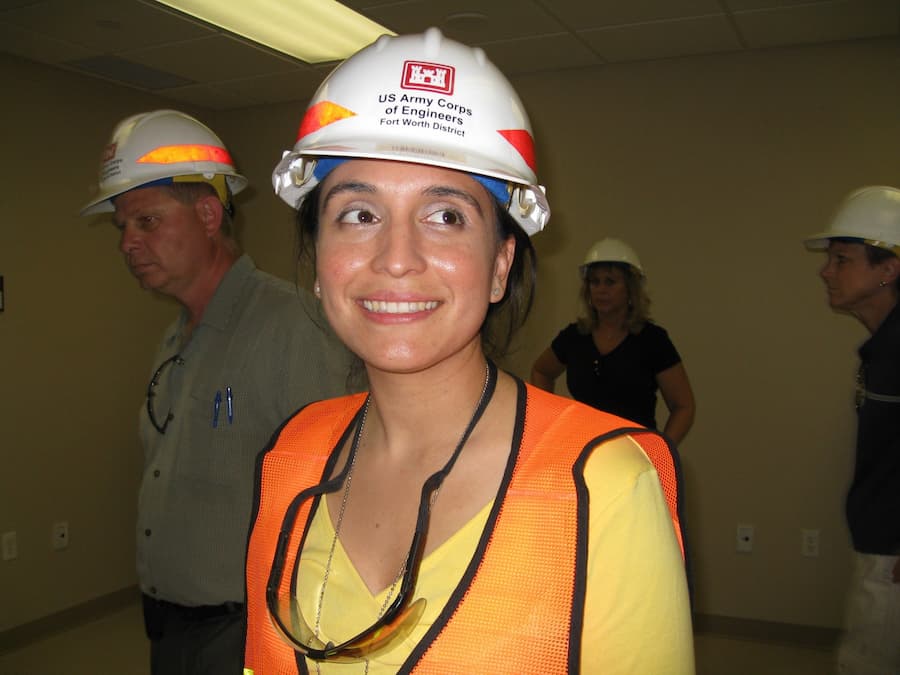
Brey said Hernandez’s experience with different professionals will give Klesse students a unique perspective on the vital importance of collaborating and communicating across disciplines.
Hernandez said communication will be a key component to the class. She said it is her goal to make sure students can communicate effectively.
“It’s more than just speaking the language of engineering or being able to do a presentation,” she said. “There have been so many important projects that didn’t move forward because they were not communicated effectively. You must communicate as a designer or communicate with the community. As an engineer, you know the person placing concrete has as much value as the person analyzing that concrete’s strength. Communicating to those different audiences is crucial.”
The EPICS course sequence is for all incoming Klesse freshmen and together meet that requirements of Academic Introduction & Strategies (AIS).
— Sean M. Wood
