

Center for Advanced Manufacturing and Lean Systems
Lean Systems
Systematic elimination of waste (anything that does not add value) by using various lean and six-sigma tools and methodologies to continuously improve value-creating processes in manufacturing and non-manufacturing sectors.
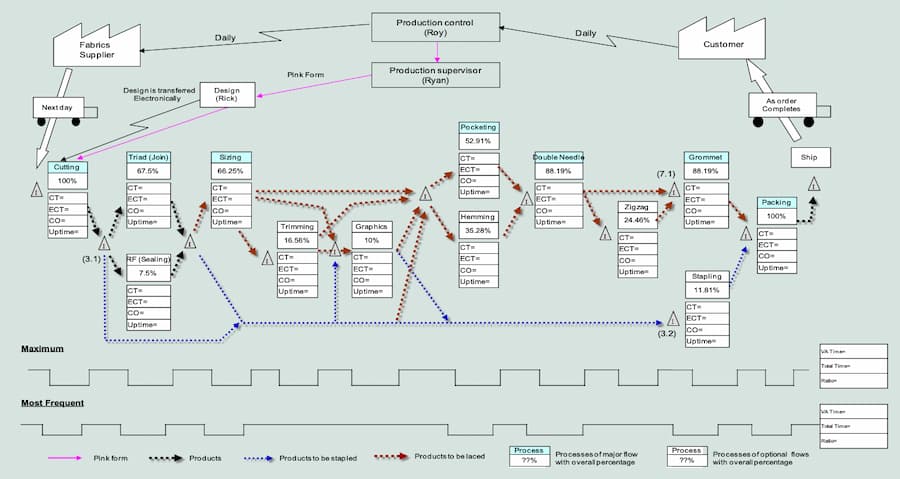
Lean & Six Sigma
Improves process performance by reducing waste, variation, and defects using tools like VSM, 5S, Kaizen, DMAIC, and root-cause analysis to increase quality and productivity.
Advanced Manufacturing Systems:
Effective and efficient integration and synthesis of automation technologies, human resources, and decision-making models for design, planning, scheduling, and control of production of goods and delivery of services.
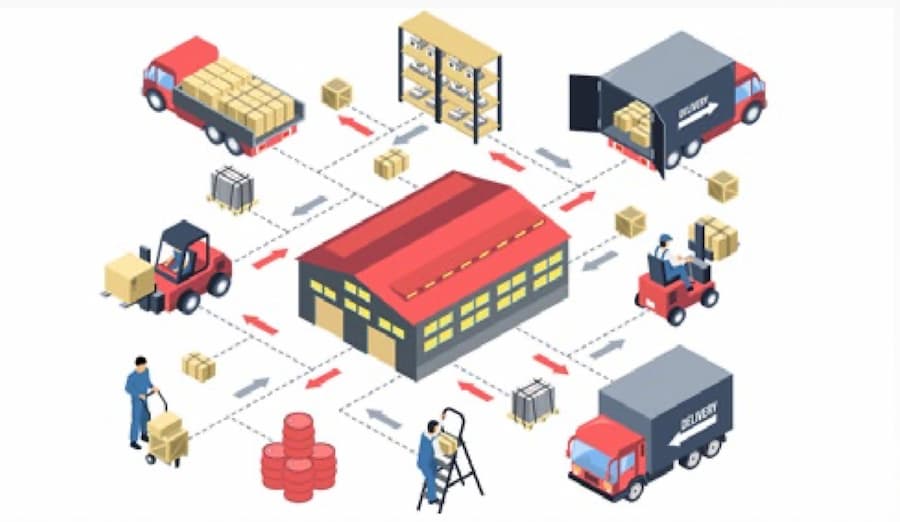
Supply Chain Optimization
Applies Lean thinking to inventory, flow, and lead time by eliminating non-value activities across procurement, warehousing, and logistics to improve responsiveness and reduce cost.
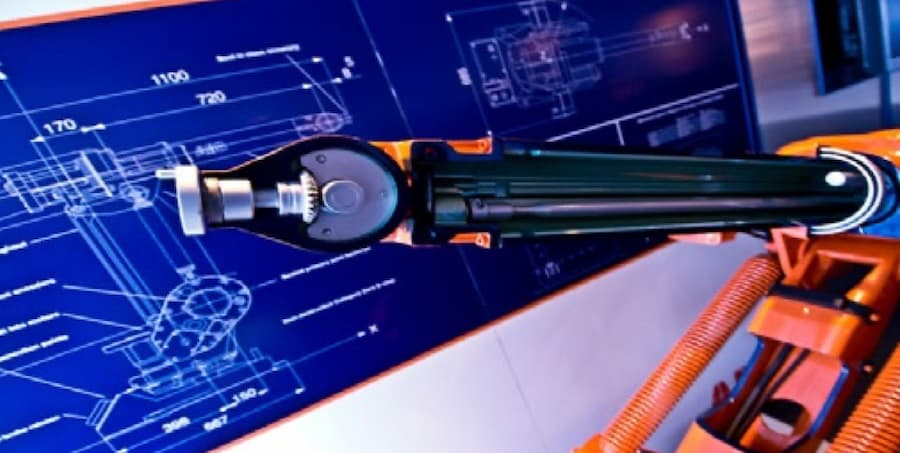
Manufacturing Systems
Designs and optimizes production workflows, line balancing, scheduling, and capacity planning using data-driven decision models to improve throughput, utilization, and delivery reliability.
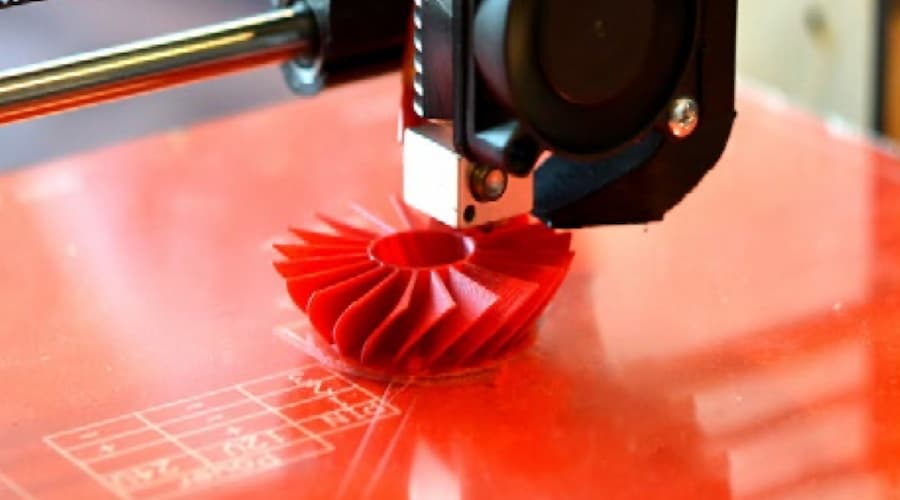
Additive Manufacturing
Develops and evaluates 3D printing processes for rapid prototyping and end-use parts, focusing on design-for-manufacturing, process parameters, quality validation, and material performance.

Soft Robotics / Industry 4.0/5.0
Integrates automation, sensors, and smart systems to improve flexibility and safety, combining robotics with human-centered manufacturing and connected factory technologies.

Machine Learning & Artificial Intelligence
Uses ML/AI to detect patterns, predict failures, optimize processes, and support real-time decisions (e.g., predictive maintenance, quality inspection, anomaly detection, and scheduling optimization).
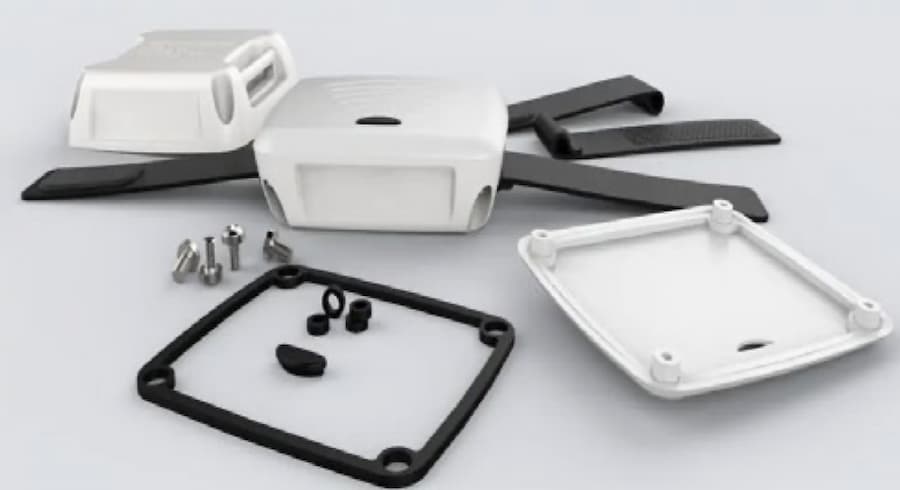
Medical Device Design
Supports product and process development for medical devices, including design validation, risk analysis, prototyping, manufacturability, and quality/regulatory-aligned documentation.
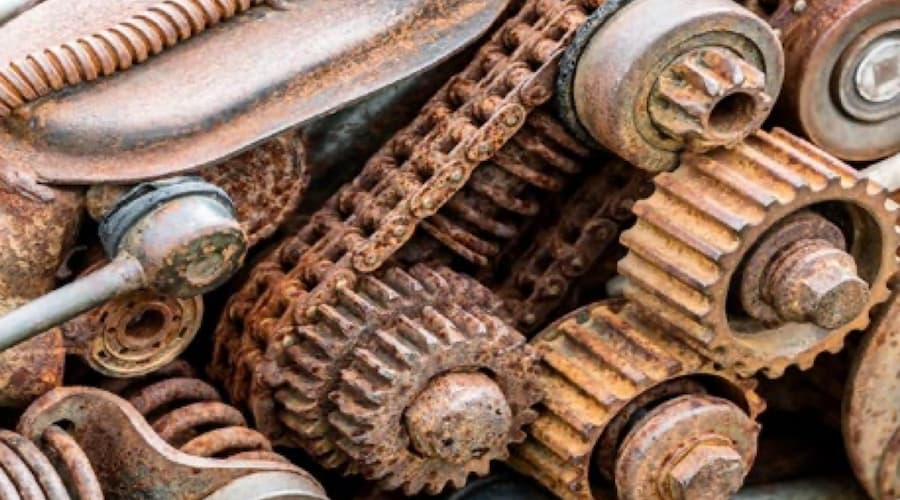
Corrosion & Materials Degradation
Studies material degradation mechanisms and prevention strategies to improve reliability, safety, and lifecycle performance of components operating in harsh environments.
