
Who We Are
The Center for Cultural Sustainability promotes resilient, thriving communities through research and technical expertise focused on preserving and adapting historic structures, cultural landscapes, and heritage resources.
What We Do
Condition Assessment & Diagnostics
We evaluate the physical condition of historic structures through systematic assessment and diagnostic investigation. Our work identifies the underlying causes of material deterioration, structural distress, and environmental impacts, ensuring that conservation treatments protect historic fabric rather than compromise it. By combining preservation science with advanced analytical tools, we help communities make informed decisions about the long‑term care of their heritage places.
Methods include: laboratory material analysis, diagnostic testing, vulnerability assessments, and other investigative techniques that reveal how buildings age and how best to preserve them.
Heritage Documentation
We document historic buildings, engineering works, cultural landscapes, and archaeological sites using advanced recording technologies and field‑based research. This work produces accurate, enduring records that support preservation planning, public interpretation, and scholarly inquiry. Our documentation efforts capture both tangible and intangible dimensions of heritage, ensuring that cultural significance is preserved even as places evolve.
Methods include: historic resource studies, photogrammetry, LiDAR scanning and point‑cloud modeling, GIS‑based analysis, and digital archiving.
Cultural Resource Planning & Resilience
We integrate cultural resource preservation with resilience planning to help communities prepare for and recover from climate change, rapid urbanization, and natural disasters. Our approach is culturally informed and values‑led, drawing on local memory, traditional knowledge, and community priorities to shape strategies that protect heritage while strengthening identity and long‑term sustainability. By merging preservation with hazard mitigation and adaptive planning, we support communities in safeguarding the places that anchor their histories and futures.
Methods include: resilience master plans, community engagement processes, oral histories, vulnerability assessments, and planning frameworks that unite heritage conservation with disaster management.
Community Engagement
We collaborate with communities to understand what they value, protect, and envision for their heritage places. Through facilitated dialogues—including Knowledge Cafés, workshops, listening sessions, and tribal consultations—we create spaces where residents, stakeholders, and cultural stewards can share perspectives and shape preservation priorities. These engagements deepen our understanding of cultural significance, inform project design, and ensure that research reflects community needs and lived experience. Our past initiatives, such as Disaster Proof Texas, demonstrate how participatory processes strengthen resilience and build trust across diverse groups.
Heritage Designation & Advocacy
We support the recognition and protection of culturally significant places through heritage designation, nomination, and advocacy. Our work helps communities and organizations articulate significance, document historic value, and pursue formal recognition at local, state, and national levels. By combining research expertise with community‑centered strategies, we advance efforts that strengthen awareness, stewardship, and long‑term preservation.
Activities include: National Register and local landmark nominations, significance assessments, designation strategies, and advocacy initiatives that elevate heritage within planning and policy contexts.
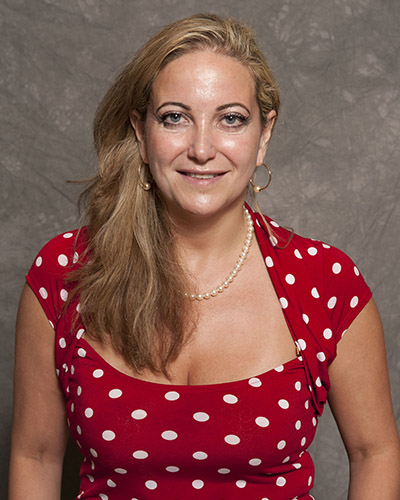
Angela Lombardi, Ph.D.
Dr. Angela Lombardi currently serves as Director of the Center of Cultural Sustainability. She is an architect, preservationist, architectural historian, and full professor in Architecture and Preservation. Her research and teaching focus on heritage conservation and resilience at architectural and urban scales. Research endeavors include an advanced study of San Antonio's cultural landscape, applying advanced documentation technologies at the scale of the building, the city, and the territory.
Dr. Lombardi’s work includes projects at UNESCO World Heritage sites such as Baalbek and Tyre-Lebanon, Erbil-Iraq, Lima-Peru, Merv National Park-Turkmenistan, and Mesa Verde-CO. She is co-editor of the following books: Lima, the Historic Center, Analysis and Restoration (2012) and History Meets Science between Abruzzo and Texas (2019).

William Dupont, MArch
Prof. William Dupont established UTSA’s Center for Cultural Sustainability in 2011, building it into a nationally recognized hub for research, education, and advocacy in the sustainability and resilience of heritage. Under his leadership, the Center garnered over $3.9 million in sponsored projects and implemented novel methods of cultural resource management while fostering research collaboration among students, faculty, private industry, and international partners. Dupont departed UTSA in 2025 but remains active on CCS projects as a Visiting Researcher.
About CCS
The CCS provides academic research and services to benefit communities, completes large-scale research projects, provides research and educational opportunities for graduate students, and convenes leaders in the field for dialogue on global practices concerning sustainable development and construction.

